
Comprehensive Sex Education in India: Honour, Cultural Pluralism, and the Negotiation of Sexual Health
Article Sidebar
Main Article Content
Abstract
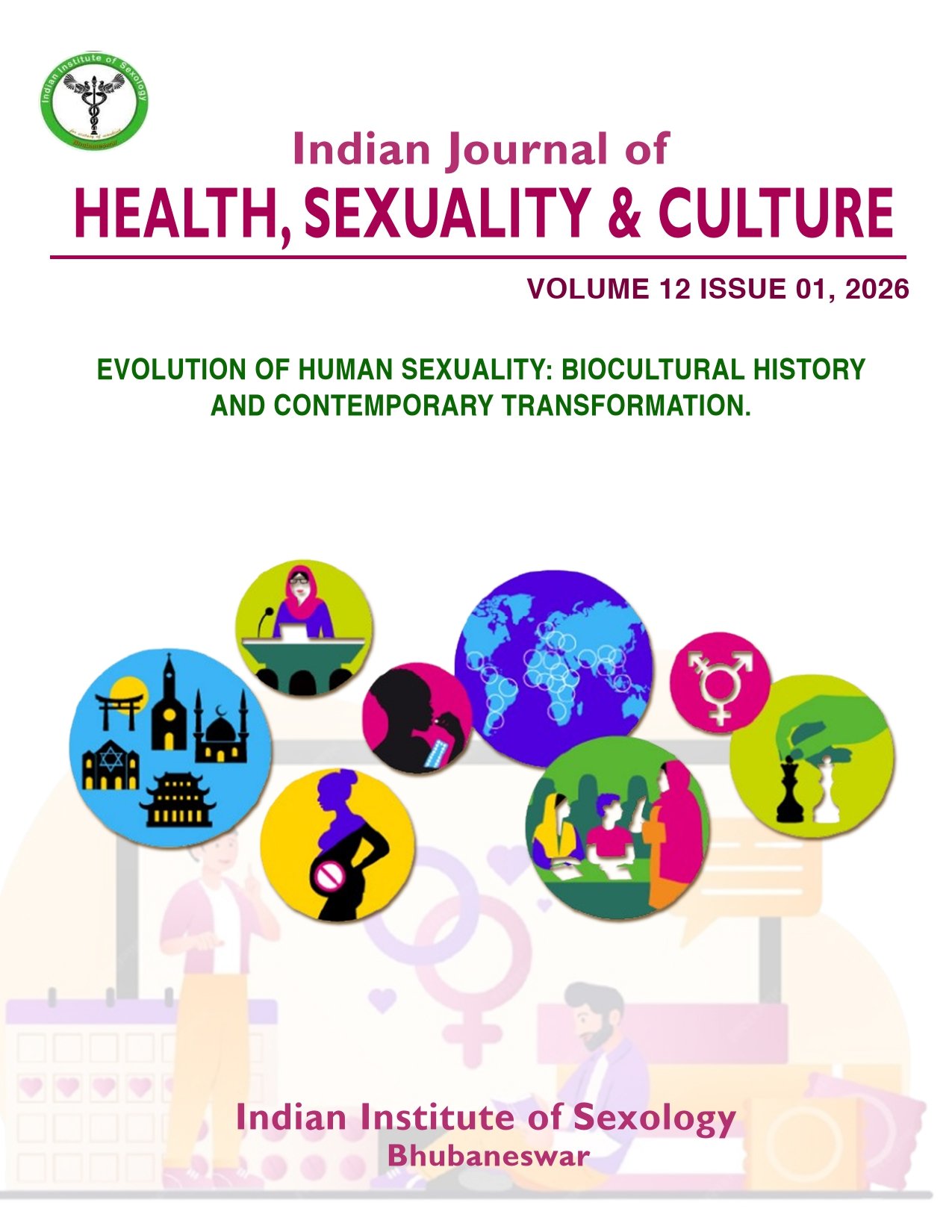
Sexuality in India is deeply embedded within moral, familial, and cultural structures that regulate discourse and behavior. The World Health Organization conceptualizes sexual health as a state of physical, emotional, mental, and social well-being related to sexuality rather than merely the absence of disease.1 Comprehensive Sex Education (CSE), grounded in this holistic understanding, extends beyond biological instruction to include consent, relational ethics, gender equity, and rights-based decision-making. Yet in India, sexuality education remains contentious, often perceived as disruptive to cultural values shaped by honor, modesty, and gendered morality.
Downloads
Article Details
Section
How to Cite
References
World Health Organization. Sexual health and its linkages to reproductive health. Geneva: WHO; 2017.
UNESCO. International technical guidance on sexuality education. Paris: UNESCO; 2018.
UNAIDS. Global AIDS update 2024. Geneva: UNAIDS; 2024.
Kirby D. The impact of sex education on sexual behaviour of young people. J Adolesc Health. 2011;48(3):S7-S13.
Fonner VA, Armstrong KS, Kennedy CE, O’Reilly KR, Sweat MD. School-based sex education and HIV prevention in low- and middle-income countries: a systematic review. PLoS One. 2014;9(3):e89692.
Santhya KG, Jejeebhoy SJ. Sexual and reproductive health education in India: a review of policy and practice. Econ Polit Wkly. 2015;50(22):54-61.
Abraham L. Redrawing the Lakshman rekha: gender differences and cultural regulation of sexuality in India. South Asia. 2014;37(1):118-133.
Narrain A, Bhan G, editors. Because I Have a Voice: Queer Politics in India. New Delhi: Yoda Press; 2005.